

|
Popular Study Series History No. 13: Rifle Making in the Great Smoky Mountains |
 |
Rifle Making in the Great Smoky
Mountains (continued)
The Stock
The pattern of the original Kentucky rifles was a little different from that adopted by the mountain people, although the amount of drop in each was quite conspicuous. The butt plate was deeply hollowed out, the curvature being relatively greater on the top side (Figure 13). The butt plate was made either of brass or of iron. The object of hollowing out the butt plate was said to be in order that the marksman could hook the butt of the rifle in the crook of his right elbow and shoot across his body, it being believed that in this manner the person, especially if he was behind a tree, offered a smaller target to an enemy than would be the case if the rifle was shot straight ahead from the shoulder.
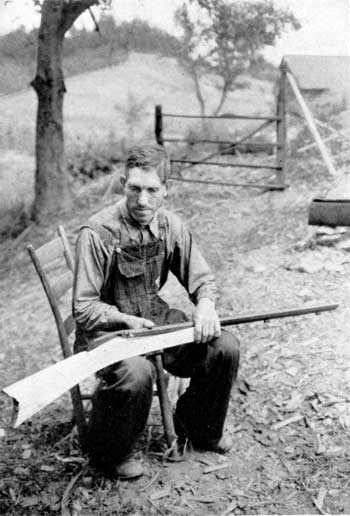 Figure 13. Making the stock for a rifle. |
Each mountain rifle maker had a pattern or template (Figure 14) from which he marked off the shape of the stock, The stock usually was made either from curly maple or from walnut, although other woods were sometimes used. The stock was either a half stock, in which case a wooden or an iron rib was fastened beneath the barrel from the tip of the stock to the muzzle, or a full stock, in which case the wood extended to the muzzle. The thimbles for the ramrod were next put in place, the ramrod extending through the stock parallel to the barrel. All of the mountain rifles had a check piece on the left side of the stock, the pattern of which varied in accordance with the design of the different rifle makers. Usually, however, the under side of the check piece was straight. This was used by the mountain people as a convenient storage place to carry a small amount of bees' wax, or tallow, as the case might be.
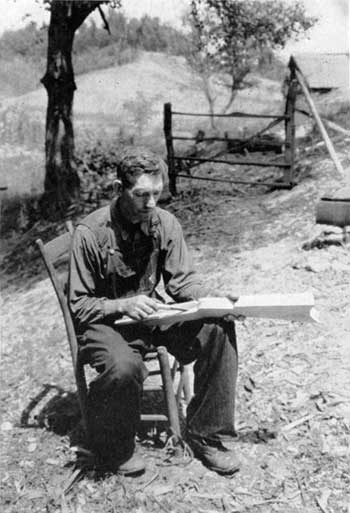 Figure 14. Detail of inletting the barrel into the stock. |
The pattern of the trigger guard was of individual design—some were quite ornate; others were very plain and simple.
The stock was finished with a hinged patch box on the right side of the stock extending from the butt plate forwards, in some instances as much as 6 inches. The design and engraving of these patch boxes and workmanship of the hinged lid was often very carefully done. Patch boxes were omitted from the later rifles made in the Great Smoky Mountains. Many of the rifles had a six-pointed star of German silver or of iron on the top of the check piece.

|

|

|
|
|
Last Modified: Sat, Oct 20 2001 10:00:00 am PDT |