 | ||
 | ||
 | ||
 | ||
 | ||
 | ||
 | ||
 | ||
 | ||
 | ||
 | ||
 | ||
 | ||
 | ||
 | ||
 | ||
 | ||
 | ||
 |
 |
 |
Yellowstone Roads and Bridges
A Glimpse of the Past
Wonderland: Touring Yellowstone Before the Automobile
Yellowstone National Park is celebrated its one hundred twenty-fifth anniversary in 2007. In 1872, Congress set aside Yellowstone as a "public park and pleasuring ground for the benefit and enjoyment of the people." Visitors came from all over the world to see the famous geysers, mineral pools, canyons, wildlife, and waterfalls. Most traveled by rail to the park, then took organized stage tours along the Grand Loop Road. Highlights of the tour appeared as postcards, colored prints, stereopticon views and other souvenirs.
Park roads and transportation facilities played an important role in promoting Yellowstone, adding to its success and wide appeal. Four of the park features that were promoted are depicted here through postcards which date between 1900 and 1920. You may either explore them in order by following the 'road signs' or select the topic of your choice from the roadway at any time.
Park Transportation
Before automobiles were admitted to Yellowstone in 1915, the park was served by horse-drawn vehicles designed to operate on steep and rugged mountain roads. Stagecoaches met visitors at train stations and carried them into the park. Only a few hardy adventurers explored the park in private carriages.
Visitors enjoyed the camaraderie of long drives through spectacular surroundings, but the slow rate of travel combined with choking clouds of dust led many visitors to welcome the arrival of motorized vehicles and improved roads.
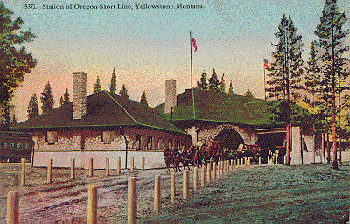
"Station of Oregon Short Line, Yellowstone, Montana."
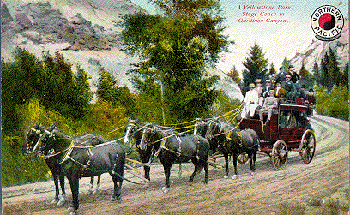
"A Yellowstone Park Stage Coach in Gardiner Canyon."
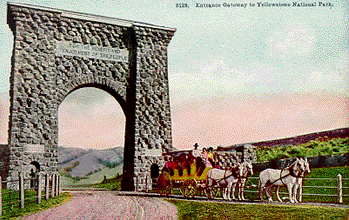
"Entrance Gateway to Yellowstone National Park."
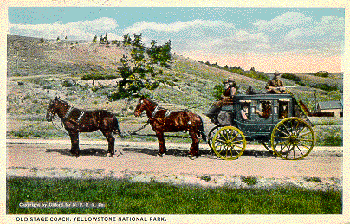
"Old Stage Coach, Yellowstone National Park."
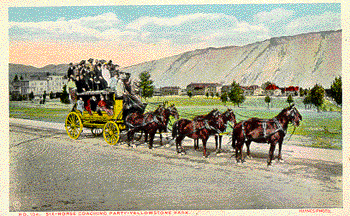
"Six-horse Coaching Party, Yellowstone Park."
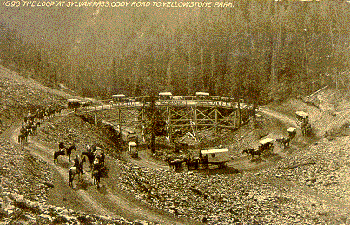
"The Loop at Sylvan Pass, Cody Road to Yellowstone Park."
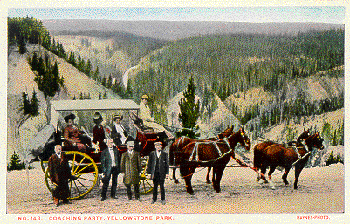
"Coaching Party, Yellowstone Park"
Grand Loop Road
Most visitors toured Yellowstone on the park's Grand Loop Road. The road strongly shaped impressions of the park and guidebooks described the sights of Yellowstone in the order they were seen along it.
This "virtual tour" simulates a trip through Yellowstone at the turn of the twentieth century. Park roads and stagecoaches played a prominent role in these visual interpretations of the national park experience.
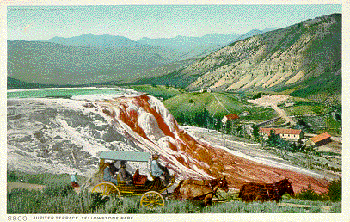
"Jupiter Terrace, Yellowstone Park."
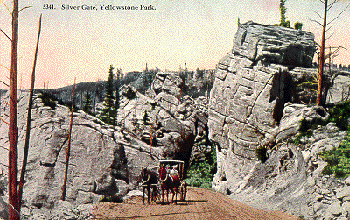
"Silver Gate, Yellowstone Park.
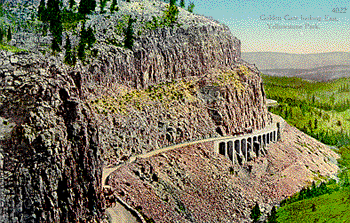
"Golden Gate Looking East, Yellowstone Park."
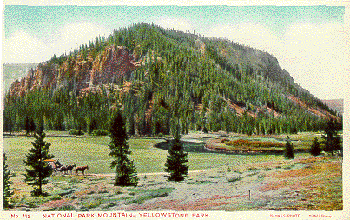
"National Park Mountain - Yellowstone Park."
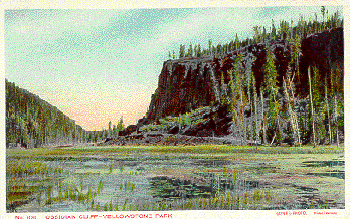
"Obsidian Cliff - Yellowstone Park."
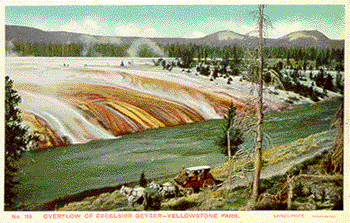
"Overflow of Excelsior Geyser - Yellowstone Park."
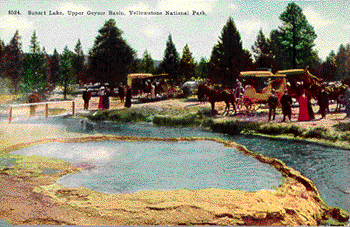
"Sunset Lake, Upper Geyser Basin, Yellowstone National Park."
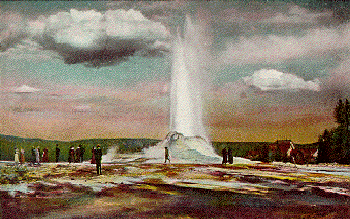
"Castle Geyser, Yellowstone National Park."
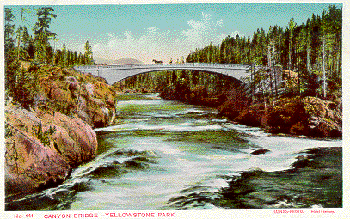
"Canyon Bridge - Yellowstone Park."
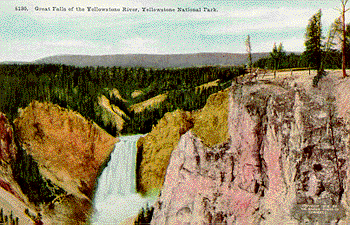
"Great Falls of the Yellowstone River,
Yellowstone National Park."
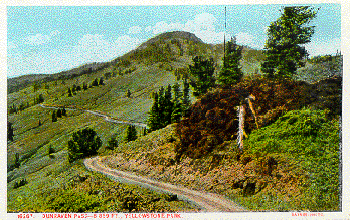
"Dunraven Pass - 8,859 Ft., Yellowstone Park."
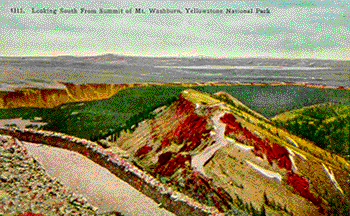
"Looking South from Summit of Mt. Washburn,
Yellowstone National Park."
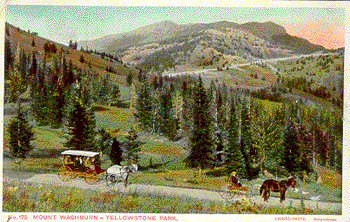
"Mount Washburn - Yellowstone Park."
Grand Hotels
Since it took several days for stagecoaches to complete the circuit of park attractions, hotels were located one-day's drive apart along Yellowstone's Grand Loop Road. Most early visitors were wealthy vacationers accustomed to elegant accommodations and park concessionaires catered to their refined tastes.
The Mammoth Hot Springs Hotel was the first stop for many park visitors. Old Faithful Inn--a tour-de-force of rustic architecture--was completed in 1904 and is still considered the largest log building in the world. The colonial revival Lake Hotel offered the elegance and sophistication many wealthy travelers associated with summer resorts. The 1911 Canyon Hotel was famed for its spacious, brightly lit lounge.
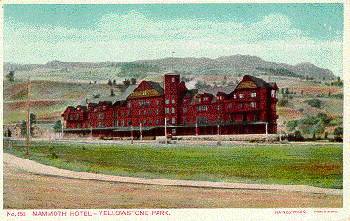
"Mammoth Hotel - Yellowstone Park."
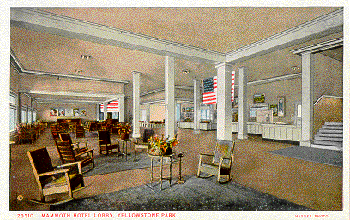
"Mammoth Hotel Lobby - Yellowstone Park."
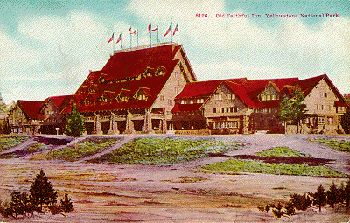
"Old Faithful Inn, Yellowstone National Park."
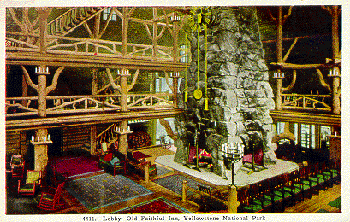
"Lobby, Old Faithful Inn, Yellowstone National Park."
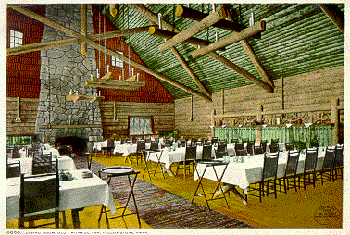
"Dining Room, Old Faithful Inn, Yellowstone Park."
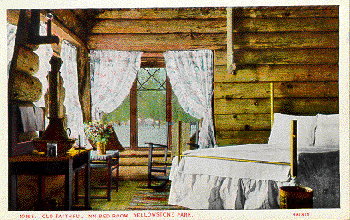
"Old Faithful Inn Bed Room - Yellowstone Park."
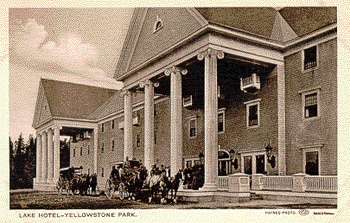
"Lake Hotel - Yellowstone Park."
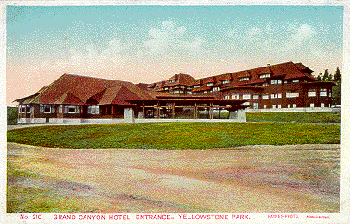
"Grand Canyon Hotel Entrance - Yellowstone Park."
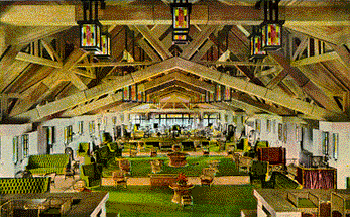
"Grand Canyon Hotel Lobby - Yellowstone Park."
Camping the 'Wylie Way'
Wylie Permanent Camping Company provided an affordable option for vacationers who wanted to avoid the expense of Yellowstone's hotels and expensive stage lines. Tourists traveled through the park in company coaches and stayed in gaily striped tent communities located at convenient locations. Enthusiastic young people served, entertained and informed the guests. Many visitors preferred the informality of the 'Wylie Way' to the more sedate and stuffy hotel experience. The Wylie Company went out of business in 1916, but it helped lead the way to the informal campground experience of today's national parks.
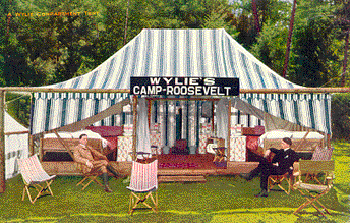
"A Wylie Compartment Tent."
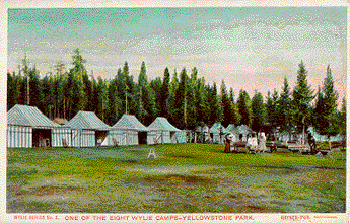
"One of the Eight Wylie Camps - Yellowstone Park."
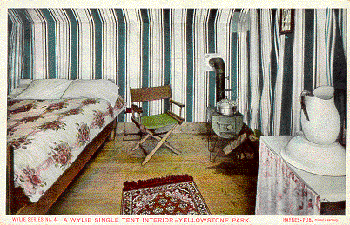
"A Wylie Single Tent Interior - Yellowstone Park."
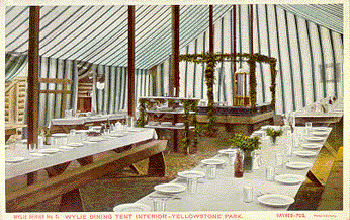
"Wylie Dining Tent Interior - Yellowstone Park."
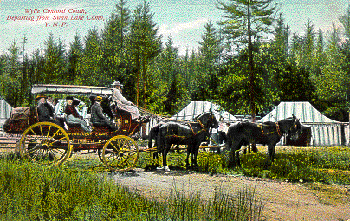
"Wylie Concord Coach, Departing from Swan Lake Camp, Y.N.P."
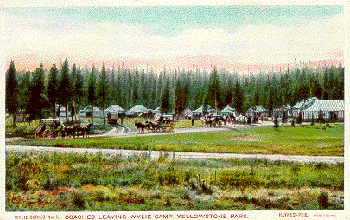
"Coaches Leaving Wylie Camp - Yellowstone Park."
| Introduction | Acadia | Blue Ridge Parkway | Chickamauga and Chattanooga | Colonial Parkway | Generals Highway | George Washington Memorial Parkway | Going-to-the-Sun Road | Great Smoky Mountains | Mount Rainier | Rock Creek and Potomac Parkway | Shenandoah's Skyline Drive | Southwest Circle Tour | Vicksburg | Yellowstone | Yosemite |
